

Interview: In Conversation with Diverse: Resurgence, Melody and Starting Again
Diverse discusses his Resurgence EP on Make Your Era, classical training, writing with Cinet, and what playing his own tracks to a crowd teaches him.
News & features
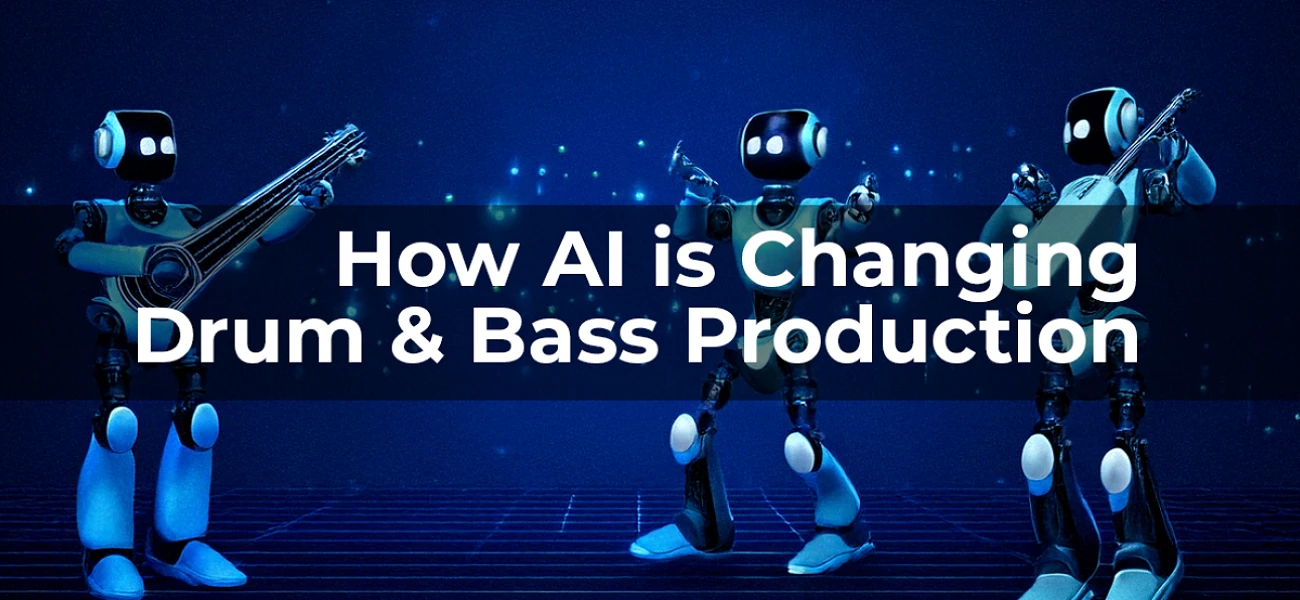
AI is transforming Drum & Bass production, but is it for better or worse? From AI-generated samples to automated mastering, we explore how artificial intelligence is reshaping the genre and what it means for creativity.
Artificial intelligence has been creeping into the world of music production for a while now, but its impact on Drum & Bass is a particularly interesting case. A genre built on intricate breakbeats, sound design mastery, and relentless innovation, D&B has always been a space for forward-thinking producers. But does AI enhance creativity, or does it threaten the very essence of the craft?
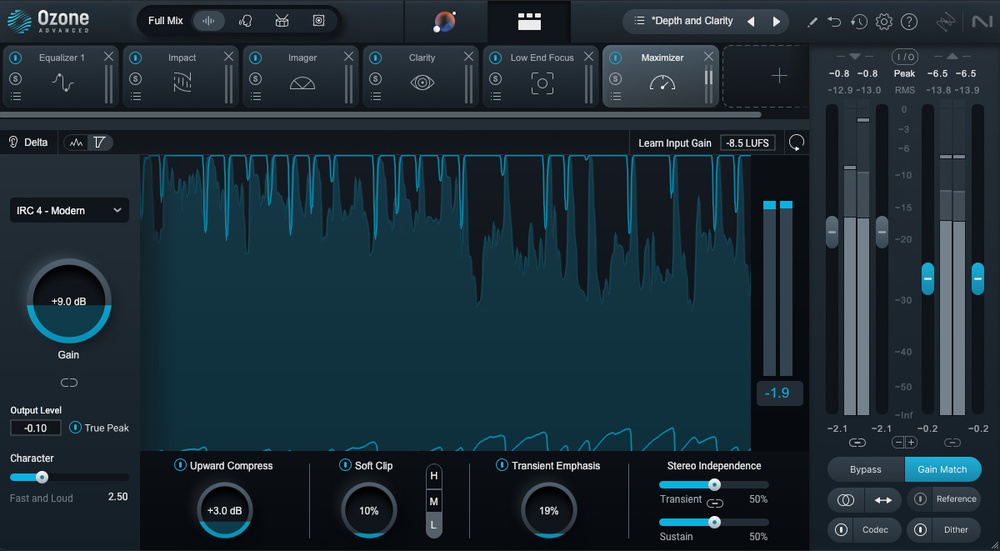
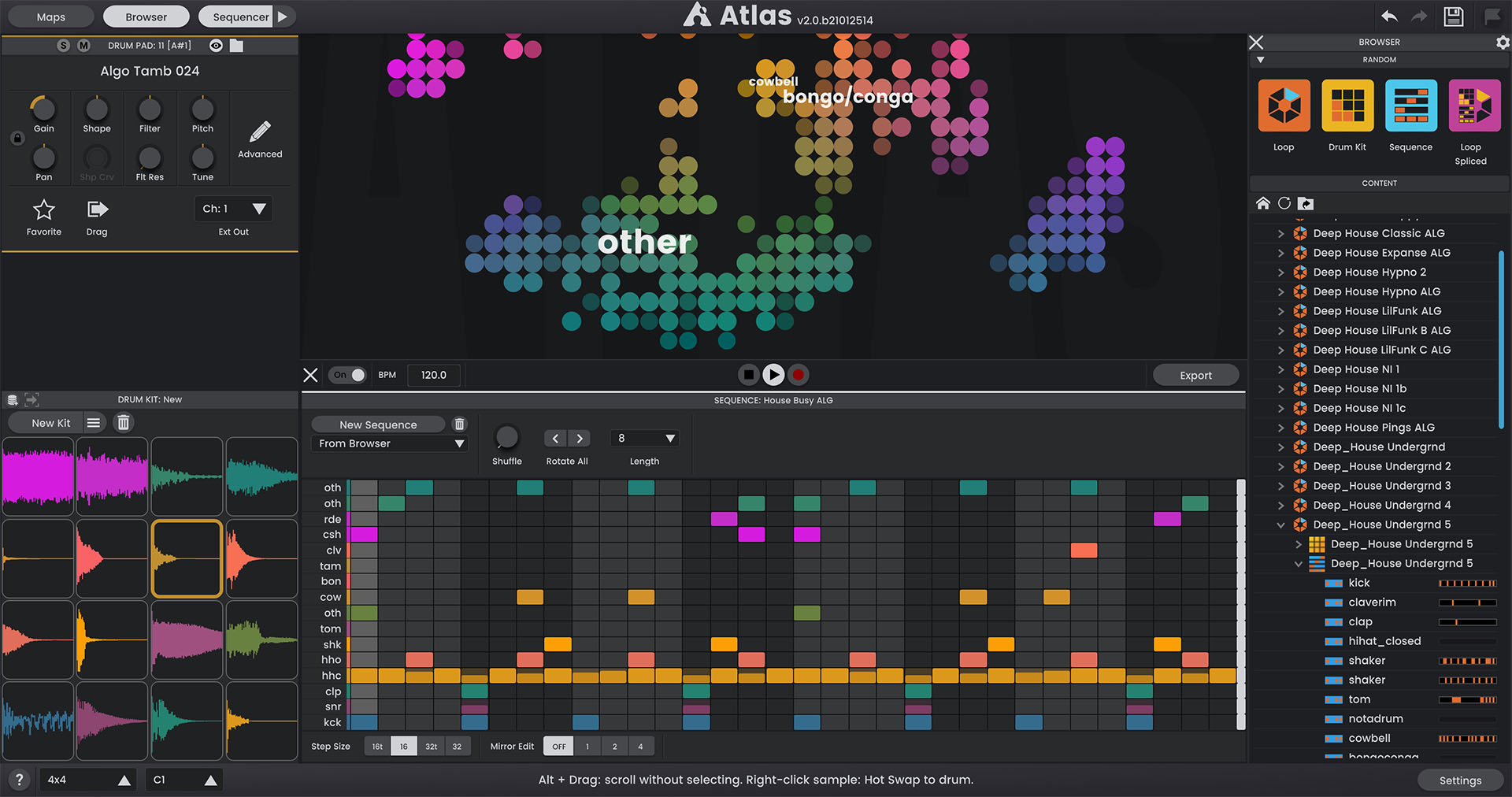
On one hand, AI is revolutionising production workflows, making music creation more accessible than ever. Tools like AI-powered sample generators, drum pattern analysers, and intelligent mastering assistants can help producers refine their sound with greater efficiency. However, the question remains—does this improve artistry, or does it dilute the unique human touch that makes Drum & Bass so special?
AI is already playing a role in several aspects of D&B production, from generating drum patterns to assisting with mixdowns. Here are some of the most significant areas where AI is making waves:
These tools can speed up the production process and help producers focus on the creative aspects of their craft. But is faster necessarily better?
One of the biggest concerns among purists is that AI tools may lead to a homogenisation of sound. If too many producers rely on AI-generated melodies, pre-programmed drum breaks, and automated mastering, will we lose the raw creativity that makes D&B so unique?
Drum & Bass has thrived for decades because of its DIY ethos—producers spending hours chopping up breaks, crafting sub-basslines, and pushing the boundaries of sound design. If AI takes over too many aspects of the process, there’s a risk that tracks will start to sound formulaic and uninspired.
For example, AI mastering services often apply generic presets that can make a track sound polished but devoid of character. Similarly, AI-generated melodies might lack the human touch that gives music emotional depth.
At its core, D&B is a genre built on pushing boundaries. AI can be a powerful tool, but it lacks the intuition, cultural understanding, and emotional depth of human producers. The best music often comes from happy accidents—unexpected distortions, unconventional sampling techniques, and raw energy that no algorithm can replicate.
Producers like Noisia, Skeptical, and Break have built their signature sounds through years of experimentation and deep technical knowledge. While AI can assist in certain areas, it’s unlikely to replace the skill and creativity required to truly innovate within the genre.
So, what does the future look like? AI isn’t going anywhere, but its role in D&B production will likely depend on how producers choose to use it.
The most exciting potential of AI is in collaboration rather than replacement. Forward-thinking producers can use AI to generate fresh ideas, deconstruct classic breaks, and streamline technical processes, all while retaining full creative control.
Imagine an AI that could analyse thousands of classic jungle records to create new breakbeat variations or help refine bass design techniques. These tools could become invaluable assets for producers who know how to harness them without losing their artistic identity.
The best D&B will always be made by humans, with AI serving as an assistant rather than a creator. The challenge for producers is to embrace technology without becoming over-reliant on it. Those who strike the right balance will be able to push the genre forward while preserving its raw, underground spirit.
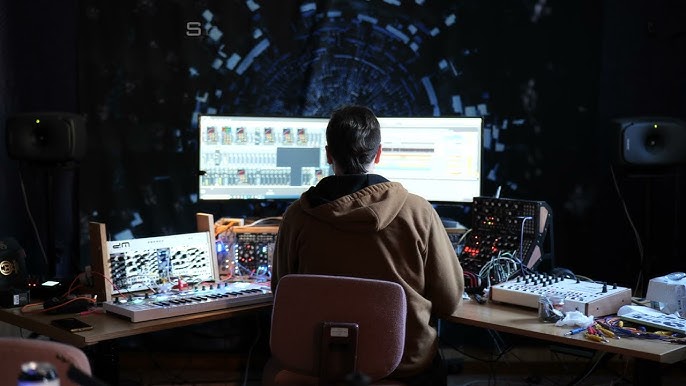
AI in Drum & Bass is neither inherently good nor bad—it all depends on how it’s used. If producers rely too much on AI-generated music, we may see a decline in originality. However, when used as a tool for inspiration and efficiency, AI has the potential to elevate the genre to new heights.
At the end of the day, Drum & Bass has always been about innovation. The producers who truly stand out will be those who embrace AI as a tool, not a crutch—using it to enhance their creativity rather than replace it.
What do you think? Will AI help or hinder the future of Drum & Bass? Let us know in the comments!
Diverse discusses his Resurgence EP on Make Your Era, classical training, writing with Cinet, and what playing his own tracks to a crowd teaches him.

Hospitality Weekender returns to Bognor Regis in March 2027, with four indoor arenas, label takeovers, pool parties, and three nights of accommodation.

Scratch Perverts return and JFB performs on seven turntables as the DMC World Finals brings battles and showcases to KOKO in London on 14 November.
Update