

Interview: In Conversation with Diverse: Resurgence, Melody and Starting Again
Diverse discusses his Resurgence EP on Make Your Era, classical training, writing with Cinet, and what playing his own tracks to a crowd teaches him.
News & features
Learn how to produce Drum & Bass with this essential beginner’s guide. Discover the best DAWs, drum programming techniques, bass design tips, and mixing secrets to create professional-sounding DnB tracks.
Drum & Bass is a genre that thrives on precision, energy, and technical mastery. Whether you’re drawn to the deep atmospheres of Liquid DnB, the razor-sharp aggression of Neurofunk, or the raw, bouncing energy of Jump-Up, producing high-quality Drum & Bass tracks requires a solid understanding of drum programming, bass design, sound processing, and mixing techniques.
This guide will take you step by step through everything you need to start producing Drum & Bass like a pro. From selecting the right DAW and drum samples to crafting powerful basslines and arranging your track for maximum impact, this is your ultimate resource for DnB production.
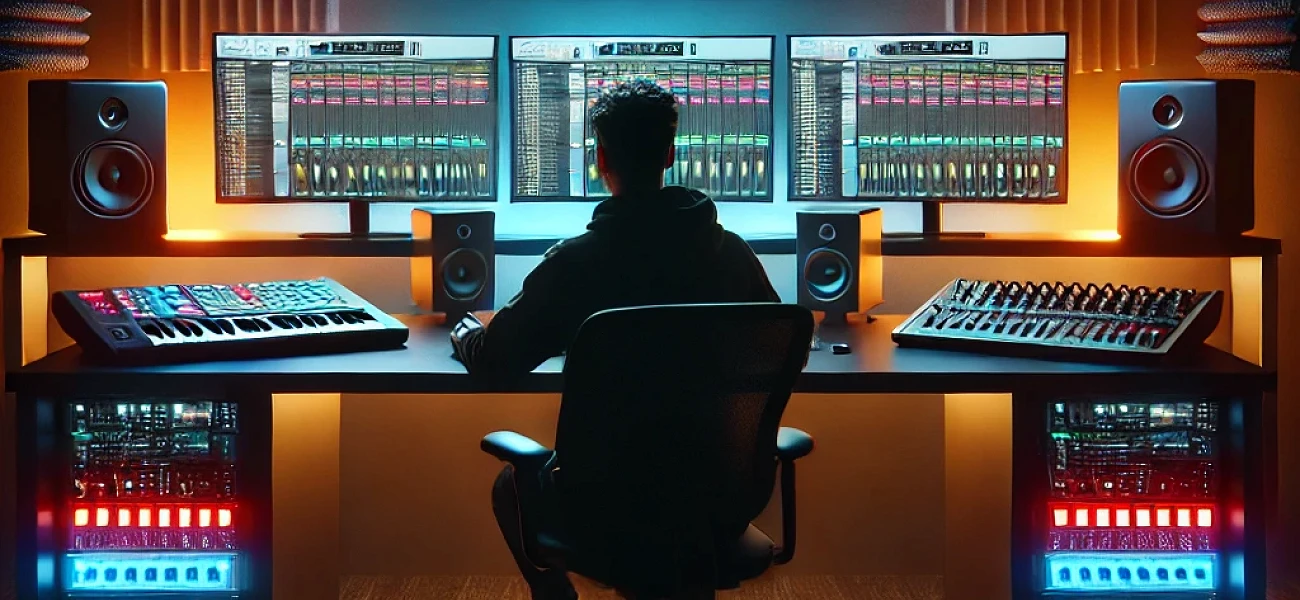
The Digital Audio Workstation (DAW) is the foundation of your music production setup. While any modern DAW can be used for Drum & Bass, some offer workflow advantages, particularly for fast-paced sample manipulation, automation, and MIDI sequencing.
If you’re just starting out, Ableton Live or FL Studio are great choices due to their intuitive workflow and vast tutorial resources available online.
For more insights, check out YouTube channels dedicated to music production
Drum & Bass is built around complex, high-energy breakbeats, typically programmed at 170–175 BPM. The goal is to create punchy, rolling drums that drive the track forward.
For more tips, watch:
The bassline is what gives Drum & Bass its signature energy. Whether you’re crafting a deep rolling sub, a growling reese bass, or a bouncy Jump-Up wobble, understanding how to design and process bass is crucial.
For advanced bass sound design, check out:
To create professional-quality DnB tracks, using the right plugins can make all the difference.
For plugin recommendations, watch:
Mixing Drum & Bass is about clarity, punch, and balance.
For mastering tips, watch:
While self-learning through tutorials and experimentation is a great way to get started, structured courses and formal training can accelerate your progress as a producer. Whether you want to dive deeper into sound design, mixing techniques, or music theory, enrolling in a dedicated music production course can give you access to expert guidance, industry connections, and professional-grade resources.
Advanced sound design and synthesis techniques
Industry masterclasses from professional producers
Access to high-end studio equipment and production tools
Opportunities for collaborating with artists and DJs
This is one of the UK’s most recognised qualifications for electronic music producers, offering full-time degrees and diploma options.
Specialised bass music production modules
Access to industry-standard software & hardware
Weekly 1-on-1 mentoring with professional tutors
Includes modules on marketing and music business
Perfect for producers looking for structured training, with options to study online or in a studio environment.
For shorter, self-paced learning, platforms like Udemy offer a range of affordable music production courses, covering everything from sound design to mixing and mastering.
Drum & Bass is a genre that rewards experimentation, technical skill, and sound design creativity.
Are you producing DnB? Drop a link to your tracks in the comments!
Diverse discusses his Resurgence EP on Make Your Era, classical training, writing with Cinet, and what playing his own tracks to a crowd teaches him.

Hospitality Weekender returns to Bognor Regis in March 2027, with four indoor arenas, label takeovers, pool parties, and three nights of accommodation.

Scratch Perverts return and JFB performs on seven turntables as the DMC World Finals brings battles and showcases to KOKO in London on 14 November.
Update